
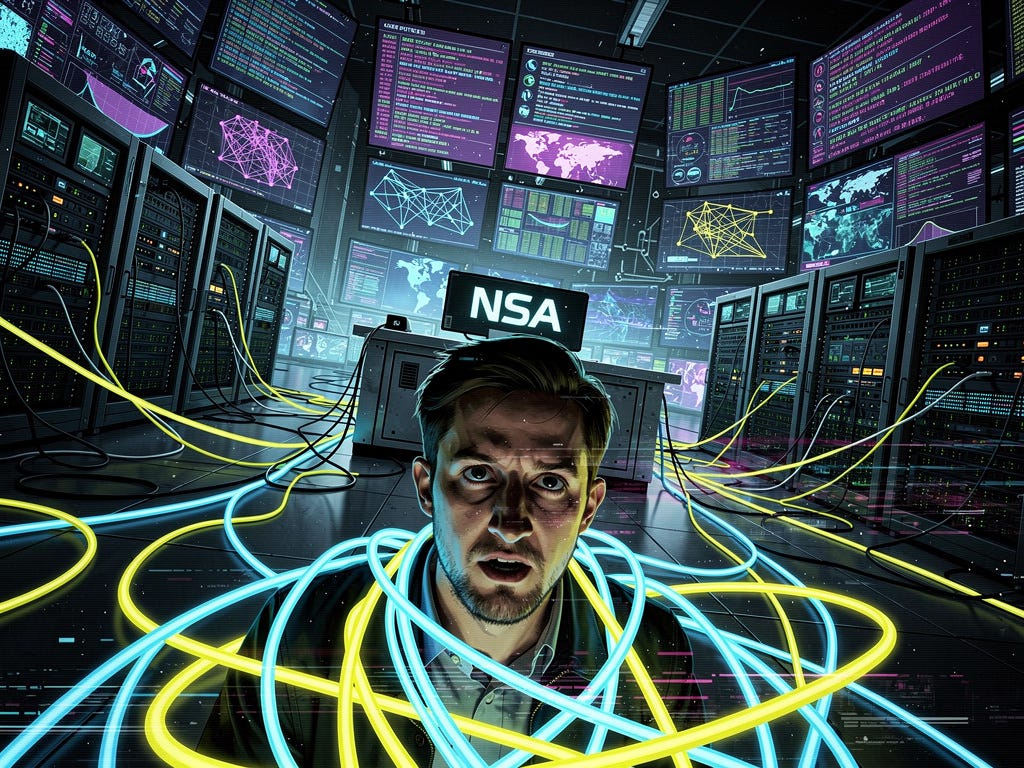
Privacy and freedom of speech are the last lines of defense against tyranny. These were the beliefs of the founders of the United States such as John Adams.
In the past I have published articles on why the Fourth Amendment was written: colonists have spent decades suffering from home invasions at the hands of British customs officers.
At the time the Fourth Amendment was written privacy was a matter built upon physical reality: people despise when others search through their belongings in front of their face. So much did the Massachusetts colonists despise general search and seizures they even rioted over it.
That is why the Federalists and Anti-Federalists, despite their opposition to each other, agreed only specific search and seizure shall be allowed under a search warrant--an idea improvised by James Otis Jr during Paxton's Case.
Although the Fourth Amendment bans general warrants and unreasonable search and seizures it does not specify what kinds of search and seizures were allowed. The Fourth Amendment was never designed with the primary intent to stop all unreasonable search and seizures! It was designed, along with the rest of the Bill of Rights, to weaken opposition to the ratification to the US Constitution--and it worked.
Still even the Federalists genuinely cared about protecting home privacy. Alexander Hamilton, Founder of the US and Federalist, helped pass the Excise Acts to punish any officer that violated the privacy of anyone and their belongings with hefty fines amounting close to $20,000 USD today! And the strategy worked!
Today privacy is a much more abstract concept than it was in the past. One of the few books worth purchasing in print that explains why is Whitfield Diffie and Landau's book Privacy on the Line: The Politics of Wiretapping and Encryption.
In the book both Diffie and Landau admit the US Government has invaded citizens' privacy over the last 70 years. Electronic surveillance has been abused by people in positions of power to discriminate against their political opponents. Politicians, civil rights activists, lawyers, their clients, civil rights activitists have been wiretapped. Wiretapping is the act of listening to someone's electronic conversations.
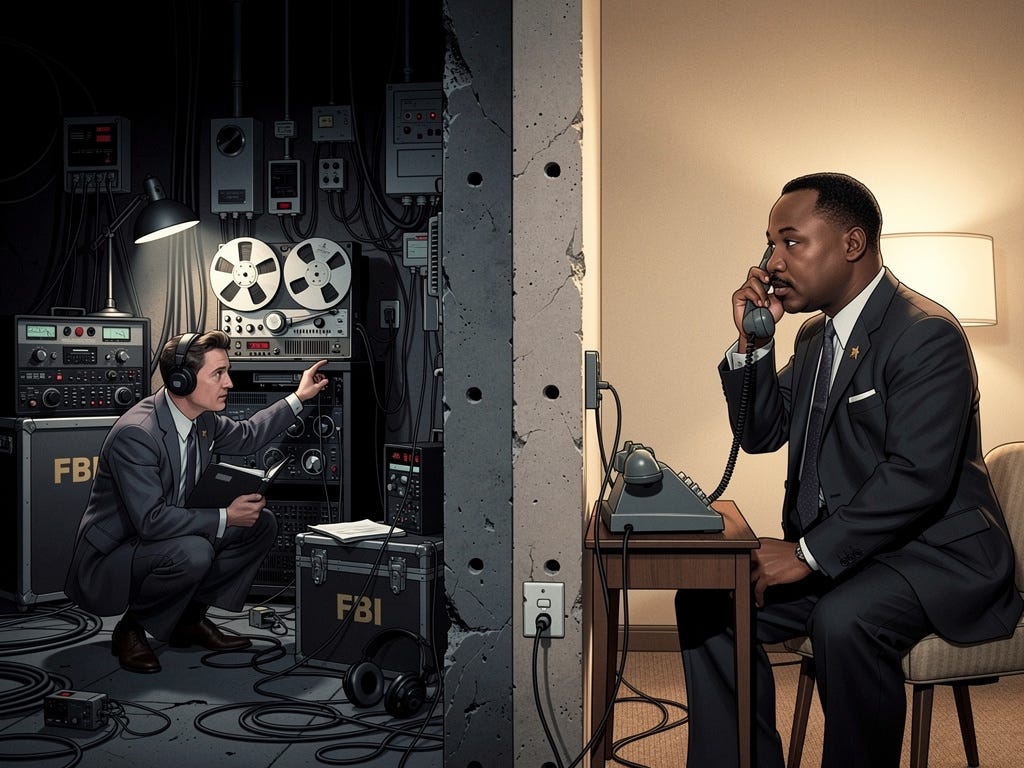
Since the Fourth Amendment was written at a time before digital communication our right to privacy when using them is in a gray area. It has taken more than a century for the idea that things less tangible than property are protected under it. In 1967 Supreme Court ruled the police have no right to wiretap without court authorization. Still by 1992 courts ruled cordless phones are available for wiretapping.
Like the Writs of Assistance wiretaps were rarely successful in convicting the target of surveillance. One of the works that explain how faulty privacy arguments led to the US’s downfall to a surveillance empire is Daniel J Solove’s book Nothing to Hide: The False Tradeoff between Privacy and Security. In his work Solove points out that during the 1940s and 1950s concerns of Soviet Union espionage led the US to launch surveillance programs against its own citizens.
In the US Federal Government's defense several of these investigations truly did catch several Soviet spies red-handed stealing business and government secrets including the US Atomic Bomb design.
However the ugly truth is organizations like the FBI conducted countless abuses of surveillance unchecked during most of the Cold War. According to Solove there was a dark reason for that. Congressman and even US Presidents were afraid to stand up to Hoover as he threatened even US Presidents with blackmail. Unfortunately this worked.
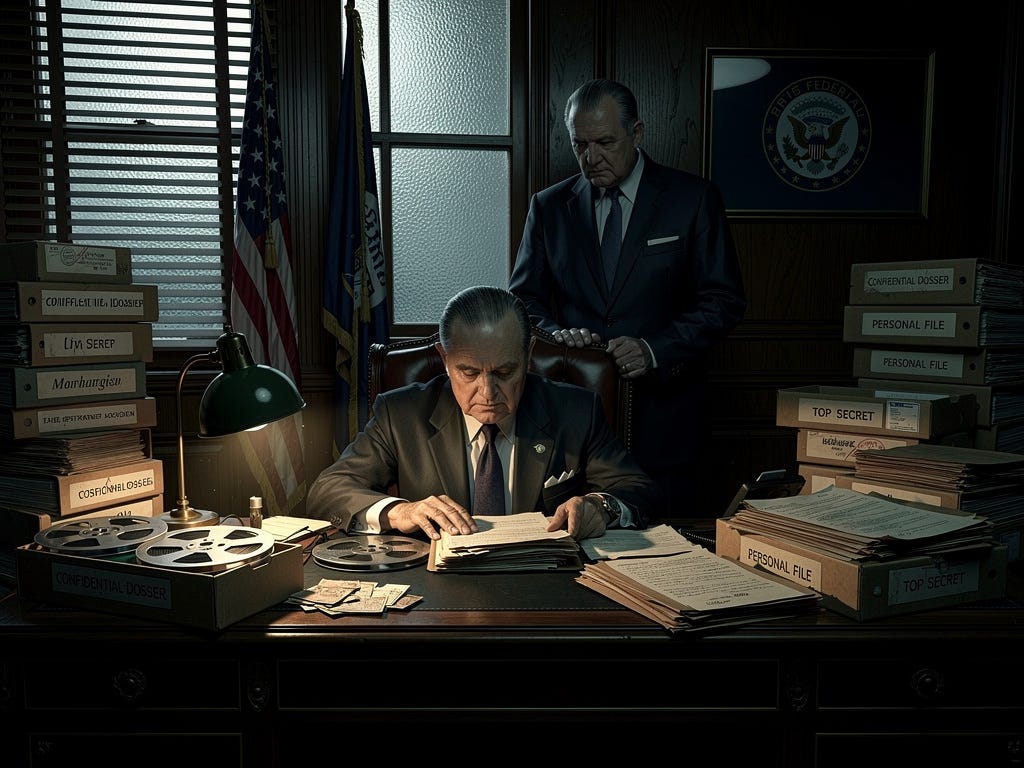
Only after Hoover's death during the WaterGate Scandal did Congress decide to investigate since Nixon misused service of officials from the FBI. A committee led by Frank Church revealed every president from Franklin Roosevelt to Richard Nixon misused government surveillance to obtain information about critics and political opponents.
As Hoover and Nixon from the WaterGate scandal demonstrate this information was meant to be used against them whenever they challenged whoever who was conducting surveillance.
Congress made two decisions in response. They first passed the Foreign Intelligence Surveillance Act in 1978. It was supposed to restrict the executive branch's power to conduct electronic surveillance for foreign intelligence purposes.
In later articles I will demonstrate how even that was thoroughly abused.
By the 1986 Congress issued the Electronic Communications Privacy Act. This law aimed to protect emails, stored computer files, and communications records. However by now the law is out of date.
In 2001 Congress passed the Patriot Act in response to the 9/11 attacks. This act allowed the government to engage in several information a gathering programs. The NSA wiretapped phone calls between US citizens and people outside the US. The information the government collects in these programs is stored, analyzed, and sometimes disclosed. In 2013 NSA contractor revealed the full depths of how invasive these surveillance programs were. According to Bruce Schneier in his work Data and Goliath cloud services lost 23% of revenue after the Snowden leaks--demonstrating increased public distrust with web services that cooperate with the US Federal Government's surveillance programs.
As one of the most influential patrons of science and technology the government has a lot of power to protect or abuse security in a way few others can compete with. Vannevar Bush, founder of the NSF, convinced US President Franklin Roosevelt to ensure the government has close ties with scientists and innovators. His arguments were well thought out. Bush explained tech innovation is so expensive and time consuming that few private companies would be able to sustain research and development long enough until it finally produced useful products and services.
As a strong example consider AI. US Government sponsored research for AI began since 1956. It took until the 1980s for that to pay off with the invention of expert systems, autonomous vehicles, and private military command and control networks. The Internet itself began as a military-funded project named ARPANET. With initial plans as early as 1962 it took until the 1990s until Internet commerce took off.
Most startups only get a few years until investors give up on them. The government gives a vision decades. The US is fortunate it can cover the costs of research and development to fund such tech innovation. There are many reasons for that and I explain those reasons in my article series Why the US is #1 in Computing.
Yet the US Goverment is ill equipped to protect privacy in response to modern technology. The foundational amendments in the US Bill of Rights that protect privacy are primarily the Fourth, Fifth, and Solove argues even the First Amendments.
Even with these Amendments, FISA, and ECPA Solove argues the law fails to provide a good balance between privacy and security.
In the next part I will review Solove's arguments on why that's the case.