
Riots in Great Britain
Just as mobs and riots took place in the American Colonies in defiance of the British Writs of Assistance so too did British citizens riot against general search and seizures!
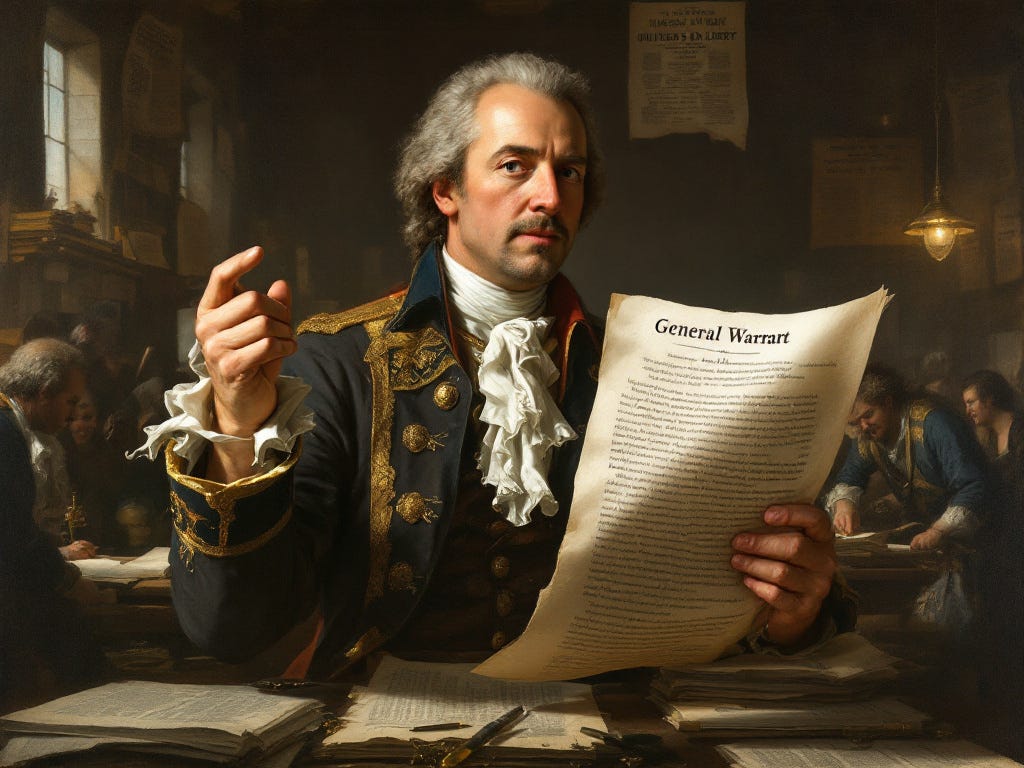
Before the Wilkes Controversy took place Great Britain issued hundreds of general warrants! This explains why resentment to general warrants built up leading to the public outrage the Wilkes Controversy had.
The British Government was not very intelligent in how it reacted to public outrage. After the British Government publicly burned The North Briton in response to the Wilkes Controversy violence ensued. An infuriated London mob seized the hangman and officials with filth. The hangman and officials wer then even beaten with burning sticks from the fire. In the end the hangman and officials were forced to run for their lives. Still, the British Government did not retaliate. Halifax, who was one of the hunters that searched and seized Wilkes’s property, issued a general warrant against the mobsters who mistreated the government officials. However the offending mobsters escaped authorities.
Just as justices and juries in American colonies were against general warrants so tooo was the case in Great Britain. And it was arguably the clearest proof that the public was against general warrants. In 1763 sixteen trials spanning 48 jurors proved quick to reach conclusions: award the victims of general warrants a compensation for the unjust trouble. After the jury from the Wilkes vs Halifax case gave a smaller compensation than the public expected the jury had to flee the courtroom for their lives as an angry mob pursued them!
High Taxes Lead to Unreasonable Search and Seizures in Britain
Just as in the American colonies high taxes lead to public dissatisfaction with the government. Unlike the American colonies the general warrants were not issued in response to smuggling. In Britain they were issued in response to public dissent: the British Government deemed press papers such as The North Briton as a threat to their rule. Although this is a case study on how the Fourth Amendment came to be it can also be viewed as a tale that explains why the the First Amendment is so important: it ensures word gets out on the tyranny of those in power over the minority.
In fact the outcome of the Wilkes controversy even influenced earlier subjects of such general warrants to file lawsuits for general search and seizure. There were at least seven general warrants against similiar dissident writers.
The judges sided with the public. Chief Justice Lord Camden of The Supreme Court of the United Kingdom, assumed John Locke’s philosophy of natural rights. He also cited Sir Edward Coke’s condemnation of general warrants.
He thus recognized the protection of private property as a sacred right unless the law had a strong reason to override it. Camden also reasoned searches and seizures under general warrants were self-incriminatory since they did not distinguish innocent vs guilty. Protection against self-incrimination became a fundamental right with the passing of the Fifth Amendment in the United States just a few decades later.
How General Search and Seizure Affected British Law
Following the decision of judges to uphold one’s right to privacy against general warrants legal scholars in Britain began asserting that the government only had the right to specific search and seizure. William Blackstone, writer of the “Commentaries on the Laws of England” that the US Constitution is based on, criticized the British government for general search and seizure and rejected such habits as unlawful. Even Adam Smith, the writer of Wealth of Nations, critiqued the practice as “odius” for ruining the privacy of families.
The Legacy of John Wilkes
John Wilkes become a symbol of a person who stood up for every British citizens’s right to privacy against general warrants. By 1768 he was so well known he succeeded in being elected for the Middlesex seat. John Wilkes is considered one of the leading figures that inspired the Fourth Amendment—although he is considered to have played a weaker role.
Wilkes was recognized for inciting the public against general warrants. But there is no documented case of Wilkes arguing for specific search warrants. After his release from prison Wilkes even tried to abuse the general warrant against his tormentors to no avail.
John Wilkes’s Influence in The American Colonies
Back in the American colonies general warrants also proved unpopular. The press in the American colonists often repeated whatever news was found in the British colonies. When news of The Wilkes Controversy reached the American colonies the press incited an intense, prolonged, and overwhelmingly sympathetic response to Wilkes. The revulsion of the colonists to general warrants incited The Anti-Federalists to advocate for protections against general search and seizures in a bill of rights to the Constitution. The transfer of information from the British press to the press of the colonies was one of several reasons that British thought and law influenced the United States.